
What Makes a Good Part 46 Training Plan? Lessons From Real Programs
Updated on November 26, 2025 by MSC
Creating an effective Part 46 Training Plan isn’t just about meeting MSHA compliance requirements—it’s about keeping miners safe, informed, and confident on the job. Whether you’re managing a small sand and gravel operation or overseeing multiple surface mine sites, your training plan serves as the foundation of your entire safety program.
But what separates a good plan from one that simply checks boxes? The best Part 46 training plans go beyond the minimum standards—they’re clear, site-specific, adaptable, and built with the workers in mind. In this article, we’ll explore the essential components of a strong plan, common mistakes to avoid, and lessons drawn from real, effective programs.
What Is a Part 46 Training Plan?
A Part 46 Training Plan is a written document required by the Mine Safety and Health Administration (MSHA) under 30 CFR Part 46. It outlines how a mine operator or independent contractor will provide safety and health training to miners working at surface mining operations.
This plan must identify:
- The types of training miners will receive (e.g., new miner, annual refresher, task training, site-specific training)
- The competent persons responsible for conducting the training
- The methods and materials used in training
- How training will be documented and evaluated
The purpose is simple: ensure every miner knows how to recognize and avoid hazards, respond to emergencies, and perform their work safely and efficiently.
Why a Well-Structured Training Plan Matters for MSHA Compliance
A well-built Part 46 training plan is your blueprint for compliance. During inspections, MSHA looks for evidence that your plan is complete, current, and being followed.
A poorly written or outdated plan can result in citations, even if your team is well-trained. More importantly, it can leave critical safety topics unaddressed, putting workers at risk.
An effective plan helps you:
- Stay compliant with federal law
- Keep training organized and consistent
- Ensure each miner receives the correct training at the right time
- Reduce accidents and improve safety culture
In short, a strong plan is both a legal necessity and a practical tool for building safer, more efficient operations.
Core Elements Every Part 46 Training Plan Should Include
Every MSHA Part 46 training plan must meet the specific content requirements outlined in 30 CFR §46.3. These elements include:
- Identification of the production-operator or independent contractor
- Include mine name, ID number, and responsible person.
- Name of competent persons
- Identify qualified trainers for each topic area.
- Training subjects
- Cover required topics such as hazard recognition, emergency procedures, and miners’ rights.
- Duration and method of instruction
- Specify how long each topic will take and how it will be taught (e.g., classroom, field instruction, video).
- Evaluation procedures
- Describe how learning will be assessed—through quizzes, demonstrations, or verbal review.
- Recordkeeping and certificates of training
- Document completion using MSHA Form 5000-23 or an equivalent form.
These core elements are non-negotiable, but how you approach them can make your plan more meaningful and effective for your workforce.
Common Mistakes in Part 46 Training Plans — and How to Avoid Them
Even well-intentioned operators can make errors when writing or implementing their plans. The most common issues include:
- Using generic templates without customizing them for site-specific hazards
- Failing to identify competent persons clearly for each topic
- Not keeping records up to date or easily accessible for inspection
- Overlooking new hazards created by equipment upgrades or layout changes
- Neglecting refresher training deadlines
To avoid these pitfalls, review your training plan regularly, involve your safety team in updates, and make sure every section reflects the realities of your operation—not just what looks good on paper.
Real-World Examples of Effective Part 46 Training Plans
The most successful Part 46 programs share a few key characteristics: clarity, relevance, and engagement. This is especially important when considering on-demand MSHA training and how to deliver it while still remaining compliant, because flexible learning only works when the material is practical, accurate, and site-specific.
For example:
-
A sand and gravel operation in Texas used hands-on demonstrations in its training plan to teach safe lockout/tagout procedures, reducing equipment-related incidents by 30%.
-
A limestone quarry in Ohio integrated drone footage of its site into training modules, helping workers visualize blind spots and haul road hazards.
-
An independent contractor group developed bilingual training materials, increasing comprehension and participation among its workforce.
These programs were effective because they were practical, visual, and tailored to real-world conditions. This proves that training plans do not need to be complex to work; they simply need to be relevant and accessible.
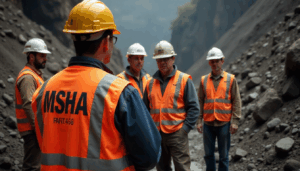
Customizing Your Training Plan: Developing a Site-Specific Approach for Part 46 Operations
Every mine site is unique. Terrain, weather, traffic patterns, and materials all influence the hazards workers face daily. That’s why customizing your Part 46 training plan is critical.
A site-specific plan should:
- Include a mine map or site diagram for orientation
- Identify unique environmental or operational hazards
- Outline communication protocols specific to that location
- Incorporate local emergency contacts and response plans
Tailoring your plan to your site ensures your team is trained for the real risks they face—not just general guidelines.
Adapting Your Training Plan to Seasonal or Temporary Workers
Seasonal or temporary miners must also receive the proper MSHA Part 46 training before starting work. Your plan should clearly address how you’ll:
- Deliver new miner training to short-term employees
- Provide task training for specific duties
- Track training completion and expiration dates
Flexibility is key. Consider scheduling shorter, frequent sessions throughout the season or using digital tracking tools to ensure compliance without disrupting productivity.
Using Feedback to Improve Your Training Plan Over Time
Feedback is one of the most powerful tools for improving your Part 46 training plan. Encourage miners to share what training methods help them most and which topics need more focus.
You can collect input through:
- Anonymous surveys
- Toolbox talk discussions
- End-of-session questionnaires
Over time, this feedback helps you fine-tune your approach, making your program both compliant and genuinely effective.
Auditing and Reviewing Your Part 46 Training Plan Annually
MSHA recommends that operators review their training plans at least once a year. This ensures your program stays up to date with site changes, regulatory updates, and new best practices.
During an audit, ask:
- Have new hazards been introduced since the last review?
- Are all competent persons still qualified and active?
- Is training being documented properly?
- Are refresher training requirements being met on time?
Annual reviews demonstrate commitment to continuous improvement—a core element of effective mine safety management.
Resources to Help You Build a Better Training Plan
If you’re starting from scratch or updating your current plan, several resources can guide you:
- MSHA’s Part 46 Training Plan Advisor (official online tool)
- MSHA Program Policy Manual, Volume III
- State mine safety agencies and associations
- Third-party safety consultants who specialize in mining compliance
These tools provide examples, templates, and regulatory interpretations to help you craft a compliant plan tailored to your operation.
Building a Compliant and Effective Part 46 Training Plan
A good Part 46 training plan doesn’t just meet MSHA’s minimum requirements—it reflects your operation’s commitment to safety, communication, and continuous learning.
By focusing on relevance, customization, and worker engagement, your plan can become a living document that evolves with your site and workforce. The result? Safer operations, fewer citations, and a stronger safety culture from top to bottom.