
Preparing Miners for Unforeseen Hazards: What Every Supervisor Should Teach
Updated on February 23, 2026 by MSC
Mining is unpredictable. Even with strict safety protocols, hazards can appear out of nowhere. Supervisors play a vital role in preparing their teams—not just to follow rules, but to make smart decisions when the unexpected happens. By focusing on hazard awareness, scenario-based training, and clear communication, supervisors can equip miners with the judgment and confidence they need to stay safe while keeping operations running smoothly. This article shares practical ways to prepare miners for the unknown while maintaining both safety and productivity.
Understanding Unforeseen Hazards in Mining Operations
Unforeseen hazards are risks that show up without warning and can’t always be predicted by inspections or past experience. Equipment can fail suddenly, ground conditions may shift, gas levels might spike, or multiple hazards can interact in unexpected ways. Miners need to understand that danger can emerge at any moment. Learning to spot early signs and respond appropriately is just as important as following standard procedures. Supervisors must ensure their teams can adapt quickly to prevent minor problems from turning into serious incidents.
Why Traditional Safety Training Often Falls Short
Most standard safety training emphasizes predictable hazards and regulatory compliance. While essential, this approach often leaves miners unprepared for situations that don’t fit the standard mold. Without exposure to rare or complex events and limited practice in decision-making under pressure, workers may struggle when things go off-script. Supervisors who rely solely on conventional methods risk leaving miners vulnerable in moments where quick thinking can prevent serious injuries.
Building Hazard Awareness Through Scenario-Based Training
Scenario-based training helps miners bridge the gap between theory and real-world experience. By recreating realistic challenges—like equipment failures during routine tasks, sudden ground instability, or multiple hazards occurring at once—miners learn to spot risks, make sound decisions, and respond effectively. These exercises also reinforce teamwork, as crews practice communicating clearly and coordinating their actions under pressure. Scenario-based training becomes a cornerstone of building a proactive safety culture in mining, teaching teams to anticipate dangers and act before small issues escalate.
Teaching Miners How to Recognize Early Warning Signs
A critical part of preventing accidents is teaching miners to notice subtle cues that something isn’t right. These might include unusual equipment noises, shifts in ground stability, ventilation changes, or signs of fatigue in teammates. Encouraging workers to report even minor concerns ensures small problems are addressed before they grow. Over time, this habit of vigilance becomes second nature—and it can save lives.
Decision-Making Skills Miners Need in Unexpected Situations
When hazards appear suddenly, following procedures alone may not be enough. Miners need the ability to quickly evaluate the situation, prioritize actions, and communicate effectively with the team. Supervisors can nurture these skills through drills, discussions, and mentorship, helping miners stay calm, think clearly, and act safely under pressure.
Empowering Miners to Stop Work When Conditions Change
One of the most important safety principles is giving miners the authority and confidence to halt work if conditions become unsafe. This isn’t a sign of weakness; it’s a proactive step to prevent accidents. When workers feel empowered to stop operations without fear of reprisal, they help prevent incidents, reduce damage, and support a positive safety culture across the site.
Communication Protocols During Unplanned Hazard Events
In unexpected situations, communication can be the difference between containment and disaster. Supervisors need to teach miners how to report hazards promptly, use radios or alarms effectively, coordinate with teammates, and document incidents for future learning. Practicing these protocols ensures everyone knows their role when it matters most.
Reinforcing Adaptability Through Ongoing Safety Coaching
Adaptability doesn’t develop overnight—it grows through experience and guidance. Supervisors can reinforce it by debriefing after incidents, sharing lessons from other sites, and encouraging miners to reflect on how they handled unexpected situations. Regular coaching helps safe decision-making become instinctive, so miners can respond effectively when unforeseen hazards arise.
Learning From Incidents Involving Unforeseen Hazards
Real-world incidents—whether accidents, near misses, or close calls—offer invaluable lessons. Supervisors can analyze what went wrong, identify gaps in hazard recognition or procedures, and incorporate those insights into training. Connecting theory to actual events strengthens miners’ ability to respond safely in similar situations, reducing the chance of repeat incidents.
Evaluating Training Effectiveness for Hazard Preparedness
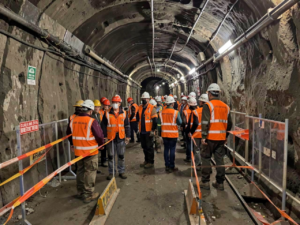
To know if training is actually working, supervisors need to go beyond checklists. Observing miners in drills and daily work, conducting post-training simulations, gathering feedback, and reviewing incident trends all provide insight. By tracking mining safety metrics that actually matter, including KPIs beyond mere regulatory compliance, supervisors can refine training, reinforce important lessons, and improve safety outcomes across the operation.
Strengthening Hazard Preparedness Through Proactive Safety Culture and Measurable Metrics
Building a resilient, hazard-aware workforce starts with leadership. Supervisors can foster a proactive safety culture in mining by recognizing miners for spotting hazards, weaving hazard awareness into daily operations, and tracking key metrics like reporting rates and response effectiveness. Using this data to continuously improve training and procedures ensures miners are confident, capable, and ready to handle the unexpected—helping reduce accidents and save lives.