
How Effective Part 46 Training Reduces Incident Rates and Improves Morale
Updated on December 2, 2025 by MSC
In the mining industry, safety is not just a regulation—it’s a reflection of company culture. While MSHA Part 46 training is primarily designed to meet compliance requirements, its true power lies in its ability to create safer, more confident teams.
When training is effective, it does far more than reduce citations or pass inspections. It lowers incident rates, improves morale, and strengthens the connection between leadership and the workforce.
In this article, we’ll explore how effective Part 46 training can transform daily operations—from preventing injuries to building a team culture where safety and confidence thrive side by side.
The Connection Between Quality Training and Fewer Workplace Injuries
Every incident in mining carries a cost—financial, emotional, and human. But the most successful companies know that prevention starts with education.
When miners fully understand procedures, hazards, and the “why” behind safety rules, they make better choices on the job. This is where MSHA Part 46 training makes the biggest impact.
High-quality programs go beyond the basics. They use practical demonstrations, scenario-based exercises, and real-world discussions to reinforce hazard recognition. The result? Workers can anticipate dangers and act before something goes wrong.
In short, quality training directly reduces workplace injuries, because it builds awareness, sharpens judgment, and creates consistent, informed habits across the team.
Key Components of Effective Part 46 Training Programs
Not all training is created equal. Effective Part 46 programs share several core characteristics that set them apart from checkbox compliance sessions:
- Relevance – Training must reflect actual site conditions and hazards.
- Clarity – Complex safety concepts should be explained in plain language.
- Engagement – Interactive, hands-on learning keeps employees focused and helps them retain critical information.
- Repetition – Regular refreshers help reinforce key concepts and maintain readiness.
- Documentation – Proper recordkeeping ensures compliance and accountability.
When these elements come together, training becomes more than an obligation—it becomes a tool for empowerment and operational improvement.
The Role of Supervisors in Reinforcing Training for Incident Reduction
Supervisors are the bridge between policy and practice. After formal training sessions, it’s their daily leadership that determines whether those lessons are applied in the field.
An effective supervisor regularly observes worker performance, provides coaching, and reinforces the principles learned during Part 46 training.
Their involvement helps prevent complacency—a leading cause of workplace incidents. When supervisors actively model safe behaviors and correct unsafe ones in real time, employees are more likely to internalize safety protocols.
In short, consistent supervisor engagement turns training from a one-time event into an ongoing process that actively prevents accidents.
Incorporating Feedback Loops to Enhance Training Effectiveness
Training shouldn’t be static. To truly make a difference, it must evolve based on the feedback and experiences of those on the front line.
Establishing feedback loops—where employees can share their concerns, ideas, and lessons learned—helps trainers identify gaps in understanding and adjust materials accordingly.
For example, if multiple miners report confusion about lockout/tagout procedures, that’s a clear signal the next session needs more emphasis there.
This two-way communication not only improves the quality of future MSHA Part 46 training but also gives employees a voice in shaping their own safety education.
When miners feel heard, morale improves, and engagement rises—making safety a shared mission rather than a top-down directive.
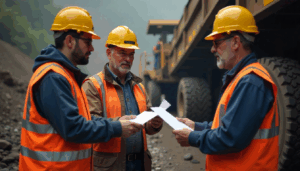
How Consistent Training Builds Miner Confidence and Job Satisfaction
Confidence is one of the most underrated outcomes of effective safety training.
When miners know how to handle equipment, recognize hazards, and respond to emergencies, they work with greater assurance and focus. This reduces anxiety and boosts productivity.
Over time, confidence translates into higher job satisfaction. Workers who feel capable and supported are more likely to take pride in their roles, collaborate effectively, and remain loyal to the company.
Consistent Part 46 refresher training also reassures employees that management cares about their well-being—not just compliance—which strengthens trust and morale across the board.
Behavioral Changes Resulting from Comprehensive Safety Training
True change happens when safety becomes instinctive. That’s the goal of comprehensive MSHA Part 46 training—to create behavioral shifts that persist long after the classroom sessions end.
Examples include:
- Taking time to conduct proper pre-operational checks instead of rushing.
- Speaking up when spotting an unsafe act or condition.
- Following proper communication channels during an emergency.
These behaviors aren’t forced—they emerge naturally when training is consistent, relevant, and reinforced daily.
Behavioral changes like these directly reduce incident rates while building an environment where safety awareness is second nature.
How Training Impacts Teamwork and Communication Underground
Mining crews depend on teamwork. In high-risk environments, every worker’s decision affects the group.
MSHA Part 46 training emphasizes clear communication—whether it’s reporting a hazard, signaling during machine operation, or coordinating emergency responses.
This shared understanding of protocols builds unity and prevents miscommunication-related incidents.
When teams communicate openly and respect safety protocols, both efficiency and trust improve. Training becomes a unifying language that ensures everyone—from new hires to experienced operators—is aligned and working together safely.
The Psychological Benefits of a Well-Trained Workforce
Safety training doesn’t just protect the body—it also supports the mind.
A well-trained workforce experiences less stress and fear because employees know how to protect themselves and each other. This psychological security leads to better focus, fewer distractions, and higher overall morale.
Moreover, miners who feel competent are less likely to experience burnout or fatigue-related errors.
By investing in effective Part 46 training, companies not only prevent physical injuries but also foster mental resilience and confidence among their workers.
Real-Life Examples of Incident Reduction Through MSHA Training
Across the industry, evidence continues to show that strong MSHA Part 46 programs lead to measurable results.
For example:
- A crushed stone operation in the Midwest implemented quarterly hands-on training, resulting in a 35% drop in recordable injuries within a year.
- Another aggregate producer introduced scenario-based supervisor sessions and saw improved communication scores and a 20% reduction in lost-time incidents.
- A surface mining contractor integrated digital learning and daily micro-trainings, cutting new hire incidents in half.
These real-world results highlight that when training is interactive, consistent, and data-driven, both safety and morale rise significantly.
Measuring Morale: Tools to Assess Training Impact on Employee Well-Being
Understanding whether training is working goes beyond tracking incidents. You must also measure its effect on morale and engagement.
Companies can use anonymous surveys, focus groups, and performance metrics to gauge how employees feel about their safety culture.
Questions like “Do you feel equipped to handle workplace hazards?” or “Do you trust your supervisor’s safety decisions?” can reveal the real impact of MSHA Part 46 training on confidence and trust.
When morale metrics improve alongside safety statistics, it confirms that the organization’s investment in effective training is truly paying off.
Effective Training Drives Real Results
At its core, MSHA Part 46 training is about more than compliance—it’s about people.
When training is consistent, relevant, and reinforced by leadership, it reduces incidents, builds confidence, and boosts morale.
Companies that take training seriously experience fewer accidents, lower turnover, and stronger teams. It’s a reminder that in mining, safety training isn’t just a requirement—it’s a strategy for lasting success.
Invest in your people. Empower them through education. The returns—in both safety and satisfaction—are undeniable.