Creating a Mine Safety Culture: Beyond Compliance
Updated on January 30, 2026 by MSC
Mining is an inherently high-risk industry, and safety cannot rely solely on regulations or checklists. While compliance with MSHA standards is critical, fostering a robust mine safety culture ensures that safety becomes part of every decision, every task, and every interaction underground or on the surface.
A strong safety culture goes beyond simply following rules—it empowers miners, supervisors, and management to recognize hazards proactively, respond effectively to near-misses, and maintain accountability at every level. This article explores how mining companies can move beyond compliance to create a culture where safety is ingrained in every aspect of operations.
What a Strong Mine Safety Culture Really Looks Like
A strong mine safety culture is evident when safe behaviors are practiced consistently, not because someone is watching, but because miners understand the value of protecting themselves and their colleagues.
In such cultures:
- Miners actively participate in hazard identification.
- Supervisors model safe behaviors and reward adherence.
- Safety conversations happen daily, not just during audits or training sessions.
Creating this culture requires intentional actions, ongoing education, and visible leadership commitment, rather than relying solely on written policies.
Why Compliance Alone Is Not Enough to Prevent Accidents
Compliance ensures legal obligations are met, but it doesn’t guarantee that miners will make safe choices in the heat of daily operations. Rules can cover equipment checks, training requirements, and inspection schedules, but they don’t address the human behaviors and decisions that contribute to accidents.
Studies show that operations with strong safety cultures experience fewer incidents than those that focus purely on compliance. This is because employees are empowered to recognize risks and intervene when unsafe conditions arise.
Leadership’s Role in Shaping Daily Safety Behaviors
Leaders set the tone for a mine safety culture. Their actions influence whether safety is perceived as a priority or an afterthought. Effective leadership includes:
- Demonstrating safe work practices consistently.
- Encouraging open communication about hazards.
- Providing constructive feedback and recognition for safe behaviors.
When leadership actively engages in safety initiatives, miners are more likely to internalize safety values and apply them throughout their workday.
Engaging Miners in Proactive Hazard Recognition
A cornerstone of a strong safety culture is proactive hazard recognition. Miners should be trained and encouraged to:
- Identify unsafe conditions before they lead to incidents.
- Report hazards without fear of reprisal.
- Collaborate on solutions to mitigate risks.
Programs such as job safety analysis (JSA) and toolbox talks can reinforce hazard awareness and encourage participation at every level.
Using Near-Miss Reporting to Strengthen Safety Culture
Near-miss reporting is one of the most effective tools for creating a proactive mine safety culture. By documenting incidents that could have caused harm but didn’t, operations gain valuable insights into potential vulnerabilities.
Key practices include:
- Creating anonymous or non-punitive reporting systems.
- Reviewing near-miss data regularly to identify trends.
- Implementing corrective actions and sharing lessons learned with all personnel.
This approach shifts the focus from reactive measures to prevention, fostering a culture of continuous improvement.
Training Strategies That Encourage Accountability and Ownership
Training is most effective when it reinforces personal accountability. Strategies that support this include:
- Hands-on exercises that simulate real workplace hazards.
- Role-specific training emphasizing decision-making in high-risk scenarios.
- Group discussions on past incidents to encourage peer-to-peer learning.
When miners understand how their actions directly affect safety outcomes, they develop ownership over safe practices, strengthening the overall culture.
How Communication Breakdowns Undermine Mine Safety
Even well-trained teams can fail if communication is poor. Misunderstandings, delayed reporting, and unclear instructions contribute to accidents and near-misses.
A strong mine safety culture relies on:
- Clear, consistent communication channels.
- Standardized reporting procedures for hazards and incidents.
- Encouragement of speaking up when something seems unsafe.
Effective communication ensures that hazards are addressed quickly and that lessons are shared across the team.
Measuring Safety Culture Without Relying on Incident Rates
Traditional safety metrics focus on accident and injury rates, but these don’t capture the underlying behaviors driving safety. Companies should measure mine safety culture through:
- Engagement levels in training and hazard reporting programs.
- Participation in safety meetings and drills.
- Employee perception surveys assessing whether miners feel empowered to act safely.
These metrics provide insight into the health of the safety culture, allowing proactive improvements before incidents occur.
Aligning Safety Culture With MSHA Requirements
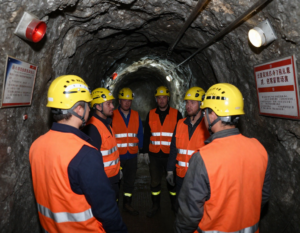
While safety culture extends beyond basic compliance, it must remain aligned with MSHA regulations. Integrating regulatory standards into everyday safety practices helps operations stay prepared for inspections and reflects effective MSHA audit strategies, ensuring miners are both protected and compliant.
Best practices include:
- Embedding MSHA requirements into job training and standard operating procedures.
- Using internal inspections and audits to reinforce safety expectations and readiness.
- Encouraging miners to view regulations as proactive safety tools rather than administrative burdens.
When safety culture and compliance are aligned, mines create a seamless connection between regulatory expectations and core values—strengthening safety performance, inspection readiness, and overall operational integrity.
Sustaining Long-Term Safety Improvements Across Operations
Building a strong safety culture is not a one-time initiative—it requires sustained, coordinated effort, especially when managing safety across multiple mining sites and locations. Long-term strategies include continuous leadership engagement and modeling, regular refresher training and hazard recognition updates, incorporating safety culture objectives into performance evaluations, and reviewing near-miss data and lessons learned to adjust programs. When safety improvements are embedded into everyday operational practices and leadership decision-making, they remain effective across changing teams, shifts, and geographically diverse mine sites.
Key Takeaways for Building a Strong Mine Safety Culture
Building a strong mine safety culture goes beyond meeting regulatory requirements—it depends on consistent leadership, open communication, and meaningful training at every level. When safety is treated as a shared responsibility, miners are more engaged in recognizing hazards and reporting near misses before incidents occur. Training that emphasizes accountability and hands-on learning reinforces safe behaviors, while aligning daily practices with MSHA requirements strengthens both compliance and operational performance. Through continuous evaluation and reinforcement, safety becomes ingrained in the work environment, protecting miners, improving efficiency, and ensuring that safe work practices are second nature rather than an obligation.