
High-Risk Tasks in Mining: How to Minimize Accidents on the Job
Updated on February 10, 2026 by MSC
Mining is inherently a high-risk occupation. Certain tasks, from operating heavy machinery to handling explosives, carry dangers that can lead to serious injuries or fatalities if not managed properly. High-risk tasks require careful planning, proper training, and robust safety measures. Understanding which activities are most hazardous and implementing controls to minimize exposure is essential for protecting workers. This guide explores the most common high-risk mining tasks, practical strategies to mitigate hazards, and steps supervisors and workers can take to create safer mining environments.
Identifying the Most Common High-Risk Mining Activities
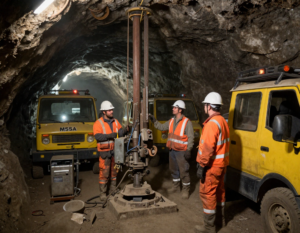
Some mining activities consistently pose higher risks due to physical demands, the equipment involved, or challenging environmental conditions. Operating haul trucks, loaders, and drilling rigs, handling explosives during blasting operations, and working in confined underground spaces with limited ventilation are all examples of high-risk tasks. Maintenance on electrical or mechanical systems and working at heights during structural inspections also present significant hazards. Recognizing these high-risk activities allows supervisors to implement targeted safety measures that protect miners without disrupting operations.
Why Certain Tasks Account for the Majority of Mining Injuries
High-risk mining tasks account for a large share of workplace injuries because of several factors. Workers are often exposed to moving machinery and heavy loads, may face inadequate hazard recognition before starting work, or encounter environmental stressors such as heat, dust, or unstable ground. Time pressures to meet production targets can also increase the likelihood of mistakes. Understanding these risks enables mine operators to focus resources where they are needed most and prioritize interventions that can prevent injuries.
Conducting Job Safety Analyses for High-Risk Work
Job safety analyses (JSAs) are critical tools for reducing accidents in hazardous mining tasks. By breaking a task into individual steps and identifying the hazards associated with each, supervisors can determine the controls needed to mitigate risks. Sharing the findings with all workers involved ensures everyone understands the potential dangers and the safest way to perform the task. JSAs not only create awareness but also establish a framework for consistently safe work practices.
Engineering Controls That Reduce Exposure to Hazards
Engineering controls are physical changes to the work environment designed to minimize exposure to hazards. In mining, this can include installing guards and barriers around moving machinery, using automated or remote-controlled equipment to reduce manual exposure, and implementing ventilation systems to manage dust and toxic gases. Well-designed pathways and barriers in high-traffic areas also reduce risk. By addressing hazards at their source, engineering controls serve as the first line of defense before administrative measures or personal protective equipment are relied upon.
Administrative Controls and Safe Work Procedures
Administrative controls complement engineering measures by establishing procedures that guide safe behavior. This might involve scheduling work to limit exposure to hazards, rotating staff to reduce fatigue-related accidents, or providing detailed checklists and step-by-step instructions for high-risk tasks. Supervisors enforce these procedures, ensuring they are consistently applied and followed across the workforce. Administrative controls standardize safety practices, making them easier to monitor and maintain over time.
The Role of Training in Preventing High-Risk Task Injuries
Proper training is one of the most effective ways to prevent injuries during hazardous mining operations. Task-specific training ensures workers understand the unique risks of each activity, while emergency response training prepares them to act appropriately if something goes wrong. Reinforcing hazard recognition and safe decision-making through hands-on demonstrations and supervised practice helps workers perform tasks confidently and safely. Well-trained miners are better equipped to identify hazards and respond effectively to unexpected situations.
Supervisor Oversight During Hazardous Operations
Supervisors play a critical role in maintaining safety during high-risk tasks. Effective oversight means monitoring work in real time, ensuring compliance with established procedures, and coaching workers on best practices. Part of this responsibility includes leading emergency response drills, so that teams are prepared to act quickly and efficiently if an incident occurs. Supervisors also document adherence to safety protocols and any incidents, reinforcing a culture of safety and showing workers that safe practices are taken seriously at all levels.
Using PPE Effectively for High-Risk Mining Tasks
Personal protective equipment (PPE) is the final line of defense in high-risk mining environments. Proper use means wearing the correct helmets, gloves, eye protection, hearing protection, and specialized gear for specific hazards, such as respiratory protection in dusty areas or insulated gloves for electrical work. Regular inspection, maintenance, and replacement of PPE are crucial, as is training workers on correct donning, doffing, and adjustment. While PPE cannot eliminate hazards, it significantly reduces the likelihood and severity of injuries.
Learning From Past Incidents to Improve Task Safety
Analyzing past incidents is essential for preventing future accidents. Mining operations can gain valuable insights by reviewing lessons from near misses, helping to identify root causes and highlight opportunities for improvement. Sharing these lessons with all personnel, updating training and procedures, and encouraging consistent reporting of near-misses all contribute to safer operations. By actively applying knowledge from previous experiences, operations can continuously refine safety practices and reduce risks associated with high-risk tasks.
Monitoring and Reviewing High-Risk Work Performance
Ongoing monitoring ensures that safety measures remain effective over time. Supervisors can observe workers, audit procedure adherence, and track trends in incidents, near-misses, and hazard reports. Using this data to adjust controls and training helps maintain safe operations as equipment, personnel, and tasks change. Continuous review fosters a culture of vigilance and reinforces safety importance in every aspect of mining work.