
The History and Purpose of MSHA Part 46: Why It Exists
Updated on November 22, 2025 by MSC
For decades, the Mine Safety and Health Administration (MSHA) has worked to protect the lives of miners across the United States. Before today’s standards existed, many small surface operations lacked structured safety programs, leaving workers vulnerable to preventable accidents. The introduction of MSHA Part 46 changed that.
This regulation gave mine operators a clear, consistent framework for training miners and contractors, especially those in the metal, nonmetal, sand, gravel, and stone industries. Understanding why Part 46 exists helps operators and contractors appreciate how far mine safety training has come—and why maintaining compliance is vital for protecting both people and operations.
When Was MSHA Part 46 Introduced? A Brief Timeline
Before MSHA Part 46, most mine training regulations fell under Part 48, which applied mainly to underground and large operations.
Surface miners at smaller operations often faced inconsistent or minimal training standards. In the late 1990s, MSHA recognized this gap. After gathering input from stakeholders, miners, and safety professionals, the agency published Part 46 in October 1999.
The rule became effective on October 2, 2000. This regulation extended safety training requirements to miners and contractors at surface metal and nonmetal mines, including sand, gravel, limestone, clay, and shell dredging. Part 46 marked a major step in standardizing training across mining sectors, ensuring every miner received proper safety education before starting work.
Why Did MSHA Create Part 46? Understanding the Need for Change
Before 2000, MSHA realized that many small-scale mining operations lacked structured, verifiable training programs. Without consistent oversight, miners were often trained informally—or not at all.
This inconsistency led to higher injury rates, especially among new miners and contractors entering the workforce without sufficient knowledge of site hazards, safe procedures, or emergency responses.
MSHA’s goal with Part 46 was to create a practical, flexible, and enforceable training framework tailored to the realities of surface mining operations. The rule emphasized competent-person-led training, documentation through training plans, and ongoing annual refresher courses.
In short, MSHA created Part 46 to fill the training gap and give operators clear guidance to maintain compliance, prevent accidents, and build safer workplaces.
What MSHA Found Before Part 46: Training Gaps and Safety Concerns
Safety data from the years leading up to Part 46 highlighted several issues across smaller surface mining operations. Many sites operated independently and mistakenly believed that MSHA’s training rules didn’t apply to them, resulting in inconsistent safety practices and incomplete or missing documentation. Accidents frequently involved new miners who entered the workforce without a clear understanding of site-specific hazards, safe equipment operation, or emergency expectations. Recordkeeping was often limited or nonexistent, which created challenges during inspections and made it difficult to confirm whether miners had received proper training. Part 46 directly addressed these issues by establishing mandatory new miner, experienced miner, and annual refresher requirements and by insisting that all training be structured, documented, and delivered before miners were exposed to hazards.
Industries and Operations That Led to Part 46’s Development
The development of MSHA Part 46 was driven by the need to bring surface operations—especially smaller, decentralized mines—into compliance with modern safety expectations.
Industries under Part 46 include:
- Sand and gravel operations
- Crushed stone quarries
- Cement, clay, and limestone processing plants
- Shell dredging operations
- Dimension stone and marble producers
- Contractors working at any of the above mine types
These industries shared similar hazards: moving equipment, highwall stability issues, confined spaces, and environmental factors like dust and noise. However, unlike underground mines, many of these sites lacked formal training systems—until Part 46 required them.
The Difference Between Part 46 and Part 48: A Regulatory Split
When Part 46 was adopted, MSHA established a regulatory distinction between the types of mines each rule governs. Part 46 applies to surface metal and nonmetal mines such as sand, gravel, stone, and similar operations. Part 48 applies to underground mines and the surface areas of underground facilities, including coal mines and underground metal operations. Because the hazards and work environments in surface and underground mining differ substantially, separate training programs allow MSHA to tailor requirements more effectively. This split made training more relevant and practical for operators and miners in each sector.
The Legal Foundation of MSHA Part 46 Requirements
MSHA Part 46 is grounded in the Federal Mine Safety and Health Act of 1977, commonly known as the Mine Act. The Mine Act gives MSHA authority to establish and enforce training standards for all miners in the United States. Under this law, operators must ensure that miners receive appropriate instruction before performing work that exposes them to hazards. Part 46 translates that mandate into specific requirements such as maintaining written training plans, assigning instruction to competent persons with the necessary experience, and documenting completion through MSHA Form 5000-23 or an equivalent record. The regulation brings legal intent and practical application together, ensuring that training remains consistent, verifiable, and enforceable across all covered operations.
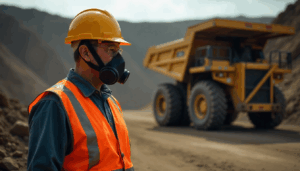
Key Goals of Part 46: Protecting New and Experienced Miners
The primary goal of MSHA Part 46 is to reduce injuries and fatalities among surface miners and contractors by ensuring everyone is properly trained before exposure to mine hazards.
Specifically, the regulation aims to:
- Educate miners about the unique risks of surface mining environments.
- Ensure new miners receive comprehensive orientation and hazard awareness training.
- Provide experienced miners with refresher training to prevent complacency.
- Hold operators accountable for maintaining current, complete training records.
- Promote a safety-first culture where every miner understands their rights, responsibilities, and safe work practices.
By focusing on education, accountability, and consistency, Part 46 helps create safer, more productive mine sites nationwide.
How Part 46 Improved Mine Safety Training for Surface Miners
Since its implementation, Part 46 has significantly improved safety training and performance within surface mining operations. The regulation standardized training expectations across the industry, helping ensure miners receive consistent instruction regardless of the size or type of operation. Better hazard awareness has reduced incidents among new and experienced miners alike, especially in areas related to equipment operation, ground control, and site-specific hazards. Improved recordkeeping requirements have also lowered compliance risks and increased transparency during inspections. As a result, many Part 46-covered industries have reported reductions in injury rates.
How Part 46 Has Evolved Since Its Inception
Although the core requirements of Part 46 have remained steady, the way operators implement the regulation has evolved substantially. Many companies now rely on digital tools to deliver training, issue certificates, and track completion dates. Online modules allow miners to complete foundational training remotely, while digital recordkeeping systems help operators stay organized and audit-ready. MSHA recognizes these modern tools as long as operators ensure the training remains interactive, is properly documented, and is led or overseen by a competent person. The evolution of digital training aligns with the intent of Part 46 by making compliance more accessible and efficient.
Why Part 46 Still Matters — Ensuring Safer Mine Sites in 2025 and Beyond
More than two decades after its creation, MSHA Part 46 remains one of the most practical and impactful regulations for surface miners. It continues to save lives by establishing a clear, consistent approach to training, documentation, and compliance.
As technology advances and mining operations grow more complex, the foundation of Part 46—comprehensive training, competent instruction, and safety awareness—remains essential.
For mine operators and contractors alike, understanding the history and purpose of Part 46 isn’t just about compliance. It’s about building a culture of safety that protects workers, prevents violations, and keeps operations running smoothly.