
Why Mine Operators Are Adopting Digital MSHA Part 46 Training Programs
Updated on November 16, 2025 by MSC
The mining industry has long been built on hands-on experience, but the modern era demands a smarter, more efficient approach to compliance and safety. With the rise of digital tools, mine operators are shifting from traditional paper-based training systems to digital MSHA Part 46 training programs.
This move isn’t just about convenience—it’s about improving compliance accuracy, streamlining recordkeeping, and ensuring every miner receives consistent, up-to-date safety instruction. Let’s explore why this transformation is reshaping how mines handle MSHA Part 46 training requirements.
The Shift from Paper to Digital: What’s Driving Change?
For years, mine operators depended on handwritten logs and physical binders to handle MSHA Part 46 training, but as operations expanded, these methods became increasingly inefficient and prone to error. Lost records, inconsistent entries, and time-consuming updates made compliance harder to manage. The industry’s shift to digital training plans is fueled by the need for more accurate, real-time recordkeeping and a growing demand for remote, flexible learning options. MSHA inspectors also expect cleaner, more verifiable documentation than ever before, which digital platforms are uniquely equipped to provide. At the same time, today’s workforce is already comfortable with technology, making digital tools a natural fit. By modernizing their systems, operators can oversee training from anywhere while reducing administrative burdens and improving overall safety outcomes.
Benefits of Digital Training Plans for MSHA Part 46 Compliance
Digital MSHA Part 46 systems make compliance more transparent and manageable. Key benefits include:
- Automated Tracking: Monitor who has completed required training in real-time.
- Instant Documentation: Generate and store MSHA Part 46 certificates automatically.
- Custom Alerts: Receive reminders for upcoming refresher training deadlines.
- Centralized Access: Eliminate paper clutter and reduce lost documentation.
These tools empower mine operators to take control of compliance proactively—rather than scrambling when an inspection is announced.
How Digital Plans Improve Recordkeeping and Audits
Recordkeeping is one of the most common stumbling blocks during MSHA Part 46 inspections, but a digital system greatly reduces the complexity. Instead of sorting through binders or trying to validate handwritten notes, operators can access a single digital hub that stores certificates, attendance records, Competent Person information, and detailed logs of completed topics and dates. When inspectors arrive, everything needed for verification can be pulled up instantly, making audits far smoother and faster. With consistent and accurate digital records, mines avoid the issues that typically lead to citations or delays.
Enhancing Site-Specific Training with Digital Tools
Every mine site has unique hazards and conditions, and digital platforms make it easier to keep site-specific training relevant and thorough. Operators can upload customized modules, maps, videos, and examples tailored to their environment, ensuring miners receive training that reflects real risks on the ground. The ability to track completion of both general and site-specific requirements in one system helps create a more comprehensive safety approach. This blended, customizable format results in training that’s not only compliant but also more engaging and practical for miners.
Cost Savings Associated with Digital Training Management
Switching to digital training isn’t just a compliance upgrade—it’s a financial one. Mines that adopt digital platforms often experience:
- Reduced administrative labor from automated recordkeeping.
- Fewer penalties and citations due to improved documentation.
- Lower training costs by minimizing travel and printed materials.
- Consistent content delivery, preventing retraining expenses.
For small and mid-sized operations, these savings can add up quickly while freeing time to focus on production and safety culture.
Integrating Digital Training Plans with Overall Safety Programs
Digital MSHA Part 46 training becomes even more powerful when it’s integrated with broader safety initiatives. When training data connects with audits, incident logs, and corrective action plans, operators gain a clearer picture of overall safety performance. Patterns such as recurring near misses can be identified earlier, and additional training can be scheduled automatically to address emerging issues. This integration supports a more holistic safety culture—one where compliance is not just a requirement but an ongoing part of operational improvement.
Overcoming Common Challenges When Switching to Digital
Transitioning from paper systems to digital platforms may feel overwhelming, especially in operations with long-standing practices. Some staff may resist change, and there may be gaps in technical comfort or experience. Additionally, migrating existing records can take time. The key is to start gradually—digitizing new training first, then adding historical documents as time allows. Most modern MSHA digital platforms offer setup support, templates, and training for administrators to ease the transition. With thoughtful onboarding, even teams unfamiliar with technology can adapt successfully.
Top Features to Look for in Digital Part 46 Training Software
Not all digital training systems are created equal. When selecting a platform, look for:
- MSHA Part 46 compliance templates
- Competent Person assignment capabilities
- Custom report generation
- Offline access for field teams
- Secure cloud storage and backups
The right software should make compliance easy, not more complicated.
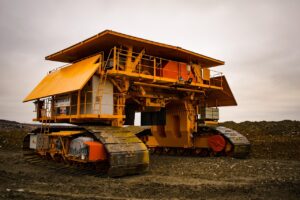
Implementing Digital Training Programs: Getting MSHA Part 46 Certified Online
Modern training platforms often include options for online MSHA certification. Miners can complete their required Part 46 New Miner or Annual Refresher Training through interactive modules, videos, and assessments.
Once completed, certificates are automatically generated, stored, and available for audits. This method ensures that all training data—whether online or site-specific—is stored securely in one system.
Digital vs. Traditional MSHA Training: What Operators Need to Know
Traditional training methods rely heavily on printed materials and in-person sessions, which can be effective but often require significant time and manual oversight. Digital training streamlines these processes by offering consistency, scalability, and immediate access to compliance documentation. Operators with multiple sites benefit especially from the ability to deliver standardized training across locations. Still, many mines find that a blended model works best—combining digital instruction for foundational topics with on-site, hands-on training for practical safety skills.
Future Trends: What’s Next for Digital MSHA Training Plans?
Digital MSHA Part 46 training is set to evolve even further as technology advances. Automated compliance tracking, predictive analytics, and mobile-first design are becoming standard expectations. Emerging tools such as VR-based hazard simulations and integration with wearable safety devices will bring training even closer to real-world conditions. As the industry becomes more data-driven, these innovations will help mines enhance both safety and efficiency. The shift toward digital training isn’t just a trend—it’s shaping the future of how mine operators maintain safe, well-prepared workforces.